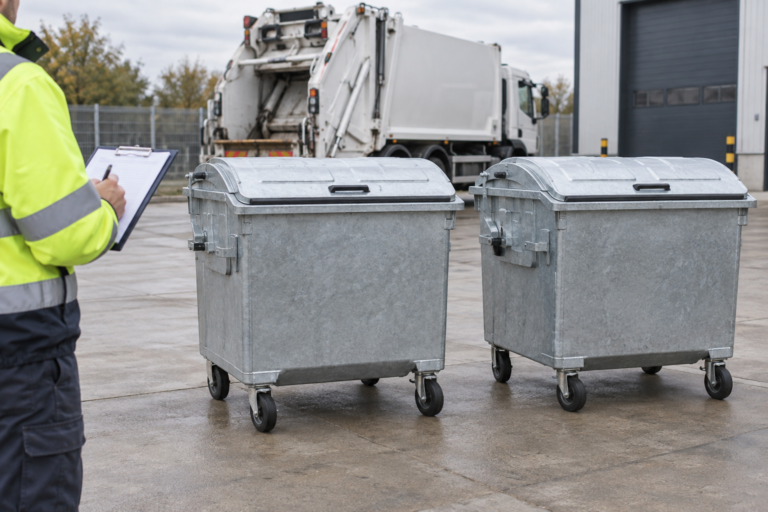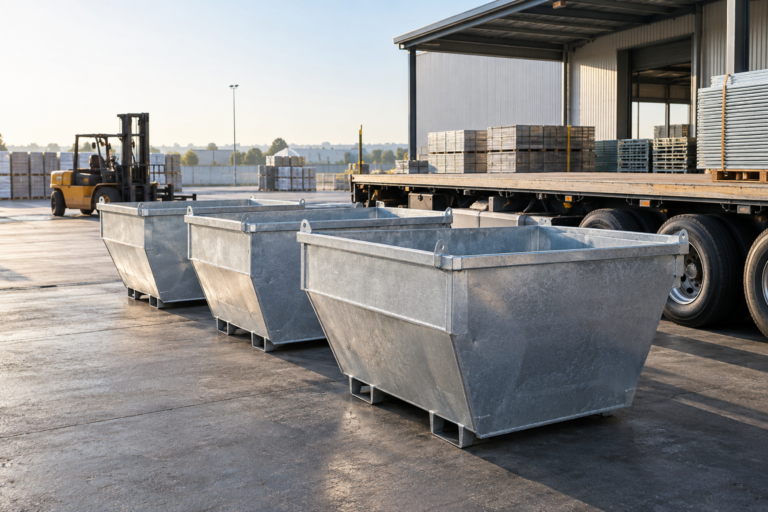
OEM Waste Container Prototype Review Process is a practical decision for OEM buyers and product-development teams. The right result comes from linking the container choice to the actual waste stream, the collection method and the people who operate the area each day. Treating those factors as one brief reduces rework after delivery and makes future service decisions easier to manage.
This guide focuses on custom container development projects. It is intended for professional buyers who need a clear, evidence-led way to compare options without relying on nominal capacity or a generic product description alone.
Begin with a simple map of where material is generated, when volumes peak and who moves or presents the container for collection. Record the expected waste streams, the planned service interval and the physical route from the point of use to the collection vehicle. This establishes whether the proposed arrangement supports normal working conditions as well as a tidy delivery-day layout.
For custom container development projects, the main constraint is drawing accuracy, usability and production-readiness. Build that constraint into the specification early. A technically suitable container can become inefficient if it cannot pass through a gate, be positioned safely, or be presented in the way the collection provider expects.
Specify the body type, capacity range, lid arrangement, wheels, handling interfaces and any optional features against a real operating need. Use dimensions and access measurements rather than assumptions. Where more than one waste stream is involved, confirm that each container can be placed, opened, cleaned and moved independently.
Review the relevant waste container products and available options with the team responsible for the site. The objective is not to add features by default; it is to select fittings that improve control, handling, weather protection or access for this project.
Walk the route with the site team before finalising an order. Check surface condition, gradients, turning space, doors, enclosure clearance and vehicle approach. Make sure routine movement does not conflict with pedestrian routes, deliveries or emergency access. If a contractor will service the point, include them in the review so the collection method is confirmed before equipment arrives.
Review the prototype in the intended handling environment whenever possible. This check should be documented with photographs or a simple site sketch where it affects the final configuration. A short record prevents the same question from being reopened during delivery or handover.
Agree who checks fill level, contamination, damage and access obstructions. Establish how an issue is reported, who owns the next action and when the supplier or service provider needs to be involved. For multi-user locations, give cleaning, facilities and operations teams the same basic guidance rather than leaving the arrangement to informal practice.
Capture changes in a controlled revision log shared by technical and commercial teams. Review the first few collection cycles and adjust the position, capacity or service interval only after looking at actual use. This converts isolated observations into a reliable operating decision.
Keep the approved specification, delivery note, acceptance photographs and any maintenance observations together. These records form a useful reference if the container is relocated, a component needs replacement or a similar site is planned later. They also make supplier discussions more efficient because the project history is available in one place.
When comparing alternatives, evaluate the total working arrangement: access, collection compatibility, daily control and maintainability. That approach is more useful than comparing only a purchase price or a single capacity figure.
Include the staff who deposit waste, move containers, clean the area and receive collections in the final review. They can identify practical problems that are not visible in a product schedule: a door that is normally locked, a route that becomes busy at a particular time, or a cleaning task that needs more clearance. Capture these observations before release. A specification that has been checked by its users is easier to operate, easier to maintain and less likely to need unplanned changes after installation.
Use prototype feedback to confirm the production specification before volume release. For project-specific support, explore KOVANTO solutions or contact KOVANTO.