
Marinas sit where salt water, weather and boat maintenance meet, and their waste includes both shore-side litter and specialised streams from vessel servicing...
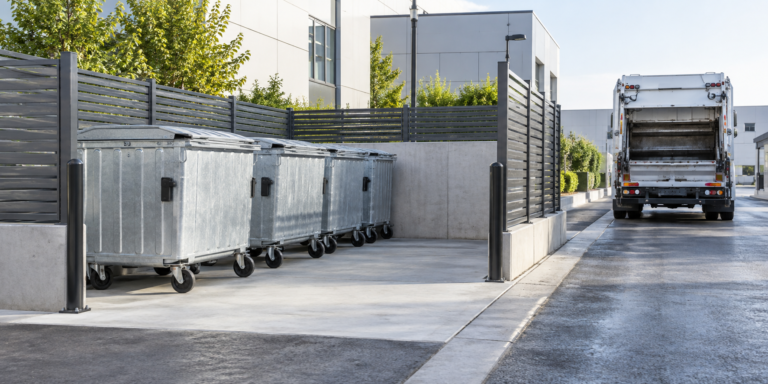
Marinas sit where salt water, weather and boat maintenance meet, and their waste includes both shore-side litter and specialised streams from vessel servicing. Containers need coastal-grade corrosion protection, anchoring against wind, and secure access for the oil and chemical streams that boats inevitably produce.
Before choosing containers, map the streams that marinas and yacht clubs actually generate. Each stream has its own container rule: frequency of removal, sealing needs and recycling value.
The zones below cover the standard layout for marinas and yacht clubs; adjust the mix to your floor plan, footfall and collection contract.
| Zone | Container type | Key requirement |
|---|---|---|
| Pontoon landings and shore points | corrosion-protected bins on plinths | anchored, windproof |
| Clubhouse and restaurant | 60–120L pedal bins, food stream | daily change-out |
| Workshops and stores | 1100L containers for maintenance waste | sealed, labelled |
| Hazardous waste compound | lockable spill-safe containers | contractor-serviced only |
Only ISO 1461 hot-dip galvanized or stainless steel belongs within a few hundred metres of salt water. Powder coating over galvanizing adds colour for clubs that brand their waste points.
Boat maintenance drives irregular, batch-heavy waste: a refit week can double the marina’s output. Keep a 1100L buffer container for maintenance waste and pre-book hazardous collection before refit seasons.
All marine waste is a water-pollution risk: keep containers sealed and covered when not in use, drain away from pontoons and log hazardous handovers. Hose down shore bins weekly with fresh water to wash off salt and extend coating life.
Two practical questions decide most container orders for marinas and yacht clubs: what is already specified in the collection contract, and how the indoor or outdoor layout moves those bins to the loading point. The typical streams are shore-side and boat litter; food waste from clubhouse and shops; maintenance waste: filters, ropes, packaging; oils, batteries and hazardous marine streams (regulated). Each one needs its own container, clear signage and a dedicated collection slot, because mixing streams at the point of use lowers the recycling value of the whole load.
When those streams arrive at different times of day, the layout has to absorb peaks without blocking access routes. The Pontoon landings and shore points zone works best with corrosion-protected bins on plinths, where anchored, windproof. The Clubhouse and restaurant zone works best with 60–120L pedal bins, food stream, where daily change-out. The Workshops and stores zone works best with 1100L containers for maintenance waste, where sealed, labelled. The Hazardous waste compound zone works best with lockable spill-safe containers, where contractor-serviced only.
For marinas and yacht clubs, the usual hidden cost is not the container itself but the mismatch between capacity and pick-up frequency: Boat maintenance drives irregular, batch-heavy waste: a refit week can double the marina’s output. Keep a 1100L buffer container for maintenance waste and pre-book hazardous collection before refit seasons. Keep the material decision simple as well.
Our most common finding on site visits is under-specified areas where lighter plastic units take knocks they were never designed for, followed by missing lids on bins that store material overnight. Only ISO 1461 hot-dip galvanized or stainless steel belongs within a few hundred metres of salt water. Powder coating over galvanizing adds colour for clubs that brand their waste points. If you are talking to more than one supplier, compare the galvanized coating weight and lid mechanism head to head rather than price per unit alone.
Salt spray corrodes standard bins within two years; ISO 1461 galvanizing or stainless is the only durable choice near water.
Into sealed, labelled hazardous containers collected by licensed processors; never into general waste or drains.
With lift-out liners carried to a shore-side 1100L container, so nothing touches the water.
KOVANTO manufactures 1100l Galvanized Waste Container 3, 1100l Galvanized Waste Container 4, 50l 360l Metal Wheelie Bins, with OEM/ODM options in capacities from 50L walk-in bins to 2.5m³ containers. Send your site plan and collection contract to info@kovantowaste.com for a container layout proposal sized to your streams.