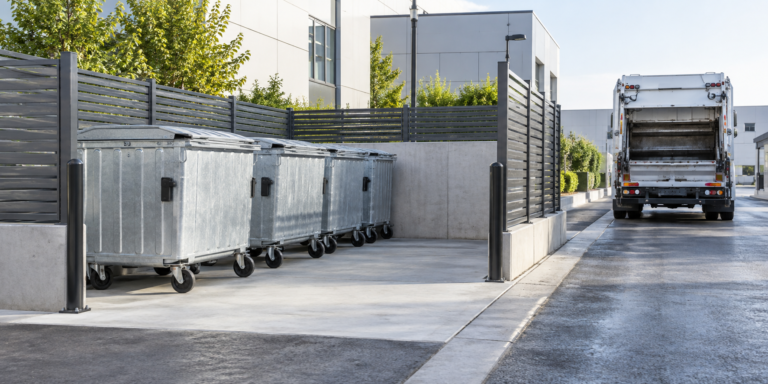

A waste container should not smell, and when it does, the cause is usually residue, not the waste itself: old food film, moist paper and bacteria living in seams...
A waste container should not smell, and when it does, the cause is usually residue, not the waste itself: old food film, moist paper and bacteria living in seams and wheel brackets. Deodorising is a cleaning discipline with a few proven tools, not a perfume problem.
Use the table below as a quick reference when specifying or reviewing containers.
| Smell type | Likely cause | Treatment |
|---|---|---|
| Sour, sweet ferment | food film in seams | hot wash, seams and gasket scrub |
| Ammonia and urine | wet paper, washroom waste | sanitise, dry fully, drain check |
| Bitter, chemical | residue from cleaners | rinse thoroughly, change detergent |
| Mouldy | moist cold storage | dry-store, ventilate bin room |
Build deodorising into the wash cycle, not the crisis response: weekly hot washes for high-odour streams and monthly deep cleans beat any emergency spray. Log washes per bin so no unit silently drops off the rota.
Specification sheets and regulation tables help, but they work best when translated into a site decision. For Sour, sweet ferment, the working rule is to choose food film in seams. For Ammonia and urine, the working rule is to choose wet paper, washroom waste. For Bitter, chemical, the working rule is to choose residue from cleaners.
Build deodorising into the wash cycle, not the crisis response: weekly hot washes for high-odour streams and monthly deep cleans beat any emergency spray. Log washes per bin so no unit silently drops off the rota. Run the same criteria against your collection contract, your loaders and the space you actually have before you shortlist any model.
Three requests dominate our day-to-day enquiries: proof that a container matches the lifters on the truck, guidance on stream segregation at the collection point, and a clear minimum quantity for custom colours or printing. None of these appear on a basic quotation, so put them on the checklist for the first supplier call.
When the details are settled, the container itself is the easy part; making sure it fits the truck, the site and the contract is where most projects slip.
Hot-wash after every food stream use and deep-clean weekly is the commercial standard; daily rinsing prevents most smells.
No; dilute bleach suits HDPE and steel but corrodes some hardware and voids coatings; check the bin material and local rules first.
Residue film in seams and gaskets – surface washing cannot reach it; scrub seams and drain holes to fix empty-bin smells.
KOVANTO manufactures 240l Hdpe Plastic Wheelie Bin, 1100l Plastic Wheelie Bin, 1100l Galvanized Waste Container 4, with OEM/ODM options in capacities from 50L walk-in bins to 2.5m³ containers. Send your site plan and collection contract to info@kovantowaste.com for a container layout proposal sized to your streams.